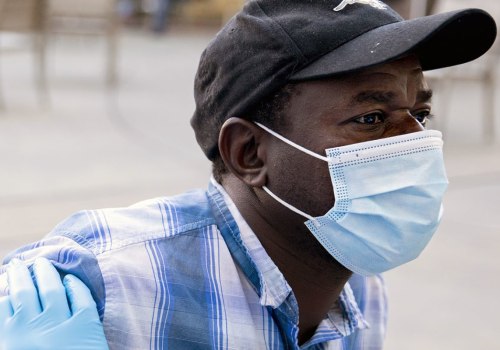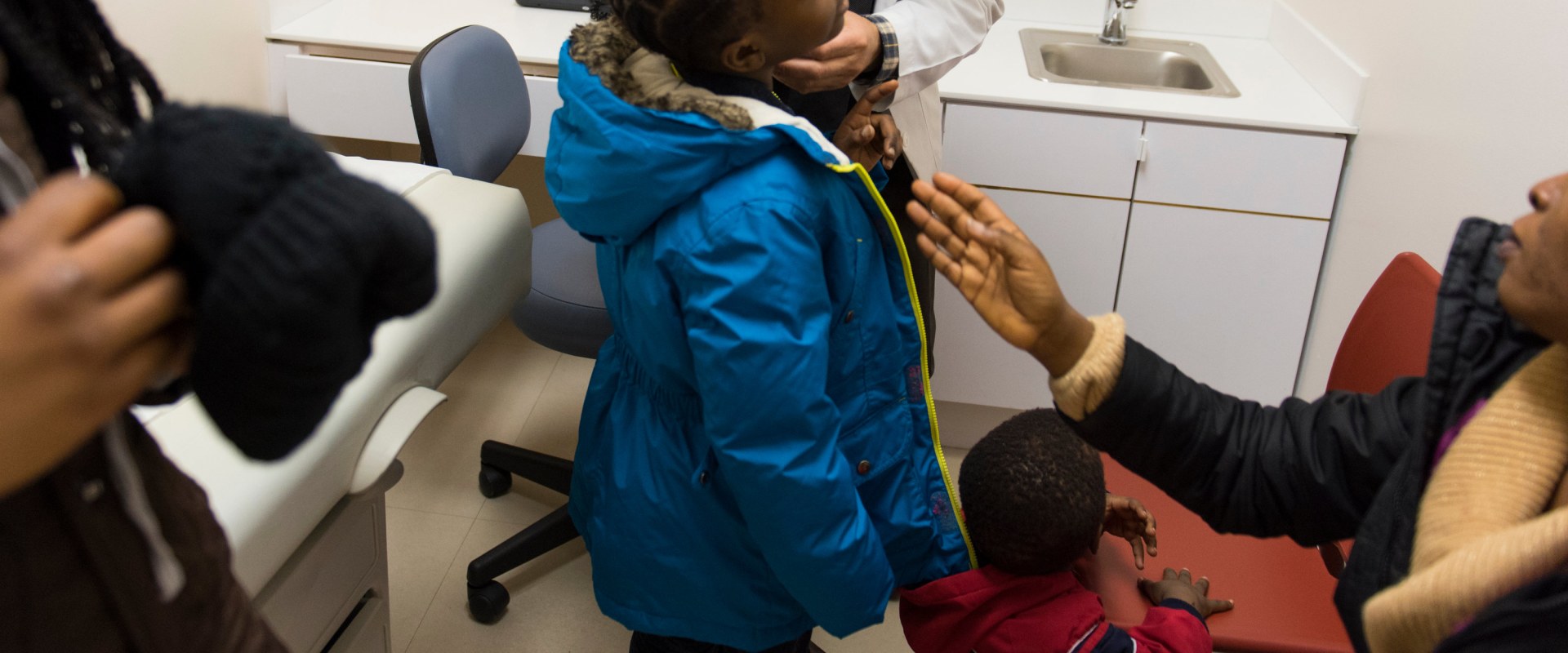
Racism is a deeply entrenched social issue that extends far beyond individual prejudice; it is a systemic problem that permeates various aspects of society, including healthcare. This systemic racism manifests in policies, practices, and cultural norms that disadvantage certain racial and ethnic groups while privileging others. For African Americans, the implications of this systemic racism are particularly severe, leading to significant disparities in health outcomes. Understanding the multifaceted nature of racism is crucial for addressing its impact on health and promoting African American wellness.The health implications of racism are profound and far-reaching.
Research has consistently shown that individuals who experience racism—whether overt or subtle—are at a higher risk for a range of health issues, including chronic diseases such as hypertension, diabetes, and heart disease. These health disparities are not merely the result of individual choices or behaviors; they are rooted in a complex web of social determinants that include access to quality healthcare, socioeconomic status, and environmental factors. For African Americans, these determinants are often influenced by historical injustices and ongoing discrimination, which can lead to a cycle of poor health outcomes.Moreover, the psychological toll of experiencing racism cannot be overlooked. Chronic exposure to discriminatory practices can lead to increased stress levels, anxiety, and depression, further exacerbating physical health problems.
The intersectionality of race and health highlights the urgent need for comprehensive strategies that address both the social and health-related consequences of racism. By recognizing the systemic nature of racism and its direct impact on health, we can begin to formulate effective interventions aimed at improving African American wellness and achieving health equity for all.
Historical Context of Racism in Healthcare
The historical context of racism in healthcare is a critical aspect of understanding the persistent health disparities faced by African Americans today. The roots of these disparities can be traced back to systemic injustices that have permeated the healthcare system for centuries.During the era of slavery, African Americans were often denied basic medical care and subjected to inhumane treatment. Slave owners viewed their enslaved individuals as property rather than human beings, leading to a lack of concern for their health and well-being.This neglect laid the groundwork for a long-standing mistrust of the healthcare system among African American communities.Following the abolition of slavery, discriminatory practices continued to plague healthcare access. Jim Crow laws enforced racial segregation, which extended into hospitals and clinics. African Americans were often relegated to inferior facilities with limited resources, resulting in inadequate care and poorer health outcomes. This segregation not only affected physical health but also contributed to a psychological burden that persists today.One of the most notorious examples of racial injustice in healthcare is the Tuskegee Syphilis Study, which ran from 1932 to 1972. In this unethical study, African American men with syphilis were misled and denied treatment to observe the disease's progression.
This betrayal has had lasting effects on trust within the African American community, leading many to be wary of medical institutions and research.Moreover, historical injustices have created a cycle of disadvantage that continues to affect African American health today. Factors such as socioeconomic status, education, and access to quality healthcare are intertwined with this history. For instance, African Americans are more likely to experience chronic conditions such as hypertension and diabetes, partly due to limited access to preventive care and healthy living conditions.In summary, understanding the historical context of racism in healthcare is essential for addressing current health disparities among African Americans. Acknowledging these past injustices allows for a more comprehensive approach to achieving health equity and fostering trust between marginalized communities and healthcare providers.
Current Health Disparities Among African Americans
Health disparities among African Americans are a pressing public health issue that reflects the broader implications of systemic racism.These disparities manifest in various forms, including access to healthcare, prevalence of chronic diseases, and overall health outcomes. Understanding these disparities is crucial for developing effective interventions and policies aimed at promoting African American wellness.According to the Centers for Disease Control and Prevention (CDC) , African Americans experience higher rates of several chronic diseases compared to their white counterparts. For instance:
- Heart Disease: African Americans are 30% more likely to die from heart disease than white Americans.
- Diabetes: The prevalence of diabetes among African Americans is approximately 13.4%, compared to 7.4% in white Americans.
- Hypertension: Nearly 40% of African American adults have high blood pressure, which is significantly higher than the national average.
- Cancer: African American men have the highest cancer mortality rates of any racial or ethnic group in the United States.
Many African Americans live in areas with limited healthcare facilities, which can lead to delayed diagnoses and inadequate treatment options. Additionally, socioeconomic factors such as poverty, education, and employment status play a critical role in determining health outcomes.Furthermore, systemic racism contributes to stress and trauma, which can adversely affect both mental and physical health. Chronic stress from experiences of discrimination can lead to conditions such as anxiety and depression, further exacerbating health disparities.Efforts to address these disparities must focus on improving access to healthcare, enhancing community resources, and implementing culturally competent care practices. By acknowledging the impact of systemic racism on health outcomes, we can work towards achieving health equity for African Americans and other marginalized communities.
The Psychological Impact of Racism on Health
The psychological effects of racism on health are profound and multifaceted, particularly for African Americans who often face systemic discrimination and social inequities.The experience of racism can lead to a range of mental health issues, including heightened levels of stress , anxiety , and depression. These psychological burdens not only affect individual well-being but also have broader implications for community health.Research indicates that the chronic stress associated with experiencing racism can trigger a physiological response in the body, leading to what is known as the "fight or flight" response. This reaction can result in increased heart rates, elevated blood pressure, and a surge of stress hormones like cortisol. Over time, these physiological changes can contribute to serious health problems, including cardiovascular disease and weakened immune function.Moreover, the psychological impact of racism often manifests in feelings of hopelessness and helplessness.
Many African Americans report feeling marginalized and devalued in various aspects of life, from education to employment opportunities. This sense of disenfranchisement can exacerbate mental health issues, leading to a cycle where individuals feel trapped by their circumstances.In addition to direct experiences of discrimination, the anticipation of racism—known as racial battle fatigue—can also take a toll on mental health. This phenomenon refers to the mental exhaustion that arises from constantly preparing for potential discriminatory encounters. Individuals may find themselves hyper-vigilant in social situations, which can lead to chronic anxiety and social withdrawal.Furthermore, the stigma surrounding mental health within some African American communities can hinder individuals from seeking help.
Cultural beliefs may discourage open discussions about mental health issues, leading many to suffer in silence. This lack of support can further exacerbate feelings of isolation and despair.Addressing these psychological impacts requires a multifaceted approach:
- Community Support: Building strong community networks that provide emotional support and resources can help mitigate the effects of racism on mental health.
- Culturally Competent Care: Mental health professionals must be trained to understand the unique experiences of African Americans and provide culturally sensitive care.
- Advocacy: Engaging in advocacy efforts to combat systemic racism can empower individuals and communities, fostering resilience against psychological distress.
Racism and Access to Healthcare Services
Access to healthcare services is a fundamental aspect of overall wellness, yet for many African Americans, systemic racism creates significant barriers that hinder their ability to receive adequate care. These barriers are multifaceted, encompassing socioeconomic factors, insurance coverage disparities, and ingrained biases within healthcare systems.Socioeconomic Factors
One of the primary barriers to healthcare access for African Americans is socioeconomic status.
Many individuals in this community face economic challenges that limit their ability to afford healthcare services. According to the U. S. Census Bureau, African Americans are more likely to live in poverty compared to their white counterparts.
This economic disparity often results in:
- Limited access to quality health insurance: Many African Americans work in low-wage jobs that do not offer health benefits, leaving them reliant on public assistance programs or uninsured altogether.
- Transportation issues: Economic constraints can also affect transportation options, making it difficult for individuals to reach healthcare facilities.
- Inadequate housing conditions: Poor living conditions can exacerbate health issues, leading to a cycle of poor health and limited access to care.
Insurance Coverage Disparities
The lack of comprehensive health insurance coverage is another critical barrier. African Americans are disproportionately represented among the uninsured population. According to the Kaiser Family Foundation, this group faces higher rates of uninsurance compared to white individuals, which directly impacts their ability to seek preventive care and treatment for chronic conditions.This lack of coverage often leads to:
- Delayed treatment: Without insurance, many African Americans may postpone necessary medical visits until conditions worsen, resulting in more severe health outcomes.
- Higher out-of-pocket costs: Even with insurance, high deductibles and copayments can deter individuals from seeking care.
Systemic Biases within Healthcare Systems
Systemic racism within healthcare institutions further complicates access for African Americans. Studies have shown that implicit biases among healthcare providers can lead to unequal treatment.
For instance:
- Misdiagnosis or under-treatment: African American patients may receive less effective treatment due to stereotypes or assumptions about their pain tolerance and health behaviors.
- Lack of cultural competence: Healthcare providers may not be adequately trained to understand the cultural contexts of their patients, leading to communication barriers and mistrust.
The Role of Community in Promoting Wellness
Community plays a pivotal role in enhancing African American wellness by fostering environments that promote health, resilience, and support. Through various community health initiatives, local organizations can effectively address the unique health disparities faced by African Americans, creating tailored programs that resonate with their specific needs.One successful model is the establishment of community health centers that provide accessible healthcare services. These centers often offer preventive care, chronic disease management, and mental health services, all within a culturally competent framework.For instance, the Black Women's Health Imperative has developed programs aimed at improving health outcomes for African American women by focusing on issues such as reproductive health, nutrition, and mental wellness.Moreover, community-based organizations often implement wellness programs that encourage physical activity and healthy eating. Initiatives like "Fit for Life" not only promote exercise but also educate participants about nutrition and healthy lifestyle choices. These programs are crucial in combating obesity and related chronic diseases prevalent in African American communities.Support systems within these communities are equally important. Peer support groups provide a safe space for individuals to share experiences and challenges related to health.
For example, organizations like Men’s Health Network focus on engaging African American men in discussions about health issues, encouraging them to seek medical advice and participate in preventive care.Furthermore, faith-based organizations often serve as vital hubs for promoting wellness. Many churches have initiated health ministries that offer screenings, health education workshops, and fitness classes. These initiatives leverage the trust and influence of religious leaders to encourage healthier lifestyles among congregants.In conclusion, community initiatives are essential in promoting African American wellness. By addressing specific health disparities through targeted programs and fostering supportive environments, these initiatives not only improve individual health outcomes but also strengthen the overall resilience of the community.
Policy Changes Needed for Health Equity
Achieving health equity for African Americans requires comprehensive policy changes that address the systemic barriers contributing to health disparities.These barriers are deeply rooted in historical injustices, socioeconomic inequalities, and institutional racism. To create a more equitable healthcare system, several key policy changes are essential.
- Expand Access to Healthcare: Policies must focus on increasing access to affordable healthcare services for African American communities. This includes expanding Medicaid in states that have not yet done so, ensuring that low-income individuals can receive necessary medical care without financial hardship.
- Enhance Preventive Care: Implementing policies that prioritize preventive care can significantly reduce the prevalence of chronic diseases within African American populations. This includes funding for community health programs that provide screenings, vaccinations, and health education tailored to the specific needs of these communities.
- Address Social Determinants of Health: Policymakers should recognize the impact of social determinants such as housing, education, and employment on health outcomes.
Initiatives aimed at improving living conditions, increasing educational opportunities, and providing job training can help mitigate these disparities.
- Increase Funding for Minority Health Research: Allocating more resources to research focused on African American health issues is crucial. This research should aim to identify effective interventions and inform public health strategies that are culturally relevant and effective.
- Strengthen Anti-Discrimination Laws: Enforcing and strengthening laws against discrimination in healthcare settings is vital. This includes training healthcare providers to recognize and combat implicit biases that may affect patient care.
- Promote Community Engagement: Engaging African American communities in the policymaking process ensures that their voices are heard. Advocacy groups should be supported in their efforts to influence health policies that directly impact their communities.
This involves collaboration between government agencies, healthcare providers, and community organizations to create a unified front against racism in healthcare.
Advocacy
plays a critical role in driving these changes. Grassroots movements and organizations dedicated to African American wellness must be empowered to advocate for policies that promote health equity. By raising awareness about the disparities faced by African Americans and mobilizing community support, advocates can influence policymakers to prioritize health equity initiatives.Ultimately, achieving health equity for African Americans is not just a matter of policy change; it requires a cultural shift within society that values diversity and inclusivity in healthcare. Only through sustained advocacy and systemic change can we hope to create a healthier future for all.
The Impact of COVID-19 on Racial Health Disparities
The COVID-19 pandemic has served as a magnifying glass, revealing and intensifying the existing racial health disparities that have long plagued communities of color, particularly among African Americans.As the virus spread across the United States, it became evident that the impact was not uniform; rather, it disproportionately affected marginalized populations. Data from the Centers for Disease Control and Prevention (CDC) indicated that African Americans were more likely to contract the virus and suffer severe outcomes, including hospitalization and death.Several factors contributed to this alarming trend. First, underlying health conditions such as hypertension, diabetes, and obesity—conditions that are more prevalent in African American communities—significantly increased the risk of severe illness from COVID-19. According to a report by the American Public Health Association, these chronic diseases are often exacerbated by social determinants of health, including limited access to quality healthcare, economic instability, and inadequate housing conditions.Moreover, systemic issues such as healthcare access played a critical role in the pandemic's impact on African Americans. Many individuals in these communities faced barriers to receiving timely medical care due to lack of insurance or transportation challenges.
The pandemic further strained healthcare systems, leading to reduced access to routine care and preventive services. This situation was compounded by the fact that many African Americans work in essential jobs that could not be performed remotely, increasing their exposure to the virus.The public health response to COVID-19 also highlighted disparities in vaccine distribution and administration. Initial vaccine rollout plans did not adequately address the needs of vulnerable populations, leading to lower vaccination rates among African Americans compared to their white counterparts. Community organizations and local health departments stepped in to bridge this gap by providing education and outreach tailored to address vaccine hesitancy and logistical barriers.In response to these challenges, various initiatives emerged aimed at improving health equity during the pandemic.
For instance, mobile vaccination units were deployed in underserved neighborhoods, and partnerships with trusted community leaders helped disseminate accurate information about vaccines. These efforts underscored the importance of culturally competent public health strategies in addressing racial disparities.As we reflect on the lessons learned from the COVID-19 pandemic, it is crucial to recognize that addressing racial health disparities requires sustained commitment beyond emergency responses. Long-term investments in healthcare infrastructure, community health programs, and policies aimed at dismantling systemic inequities are essential for building a healthier future for all.
<strong>Conclusion</strong>
In conclusion, the pervasive impact of racism on health outcomes cannot be overstated. Throughout this article, we have explored how systemic racism contributes to significant health disparities, particularly among African American communities.These disparities manifest in various forms, including increased rates of chronic diseases, mental health challenges, and barriers to accessing quality healthcare. The evidence is clear: racism is not just a social issue; it is a public health crisis that demands urgent attention.Addressing these disparities is not merely a matter of social justice; it is essential for the overall wellness of our society. When certain groups are systematically disadvantaged, the ripple effects can be felt across communities, leading to a cycle of poor health outcomes that perpetuates inequality. It is crucial for policymakers, healthcare providers, and community leaders to recognize the role of racism in health and to implement strategies that promote equity.To foster African American wellness and improve health outcomes for marginalized populations, we must:
- Advocate for policy changes that address social determinants of health, such as housing, education, and employment opportunities.
- Increase access to culturally competent healthcare services that understand and respect the unique needs of diverse populations.
- Support community-based initiatives that empower individuals and families to take charge of their health through education and resources.
- Encourage research focused on understanding the specific health challenges faced by African American communities and developing targeted interventions.
By fostering an environment where all individuals have the opportunity to achieve their highest level of health, we can create a more equitable society. Let us commit ourselves to this vital work, ensuring that wellness is not a privilege for some but a right for all.