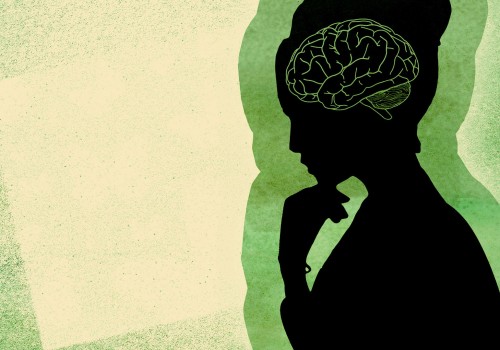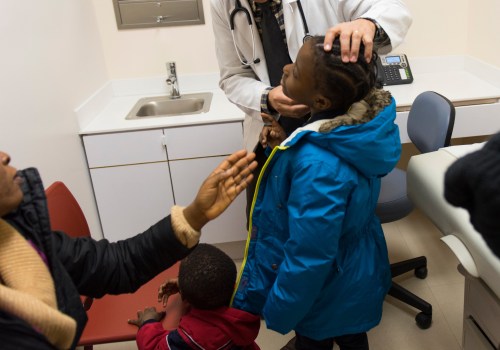
Mental health is a critical aspect of overall wellness, yet it remains a topic shrouded in stigma and misunderstanding, particularly within the Black community. The unique challenges faced by African Americans in addressing mental health issues are compounded by a complex interplay of cultural, social, and economic factors. Understanding these challenges is essential for fostering a supportive environment that encourages open dialogue and access to necessary resources.Statistics reveal a troubling reality: African Americans experience higher rates of mental health disorders, including depression and anxiety, compared to their white counterparts. Despite this alarming trend, there is a significant gap in treatment.
Many individuals within the Black community are reluctant to seek help due to deeply ingrained beliefs that equate mental illness with personal weakness. This stigma not only discourages individuals from pursuing treatment but also perpetuates feelings of shame and isolation.Moreover, systemic barriers such as limited access to quality healthcare, economic disparities, and the historical context of racism contribute to the mental health crisis among African Americans. These factors create an environment where mental health issues can go unaddressed, leading to devastating consequences for individuals and families alike. As we delve deeper into the state of mental health in the Black community, it becomes clear that addressing these issues requires a multifaceted approach that includes education, advocacy, and culturally sensitive care.In this exploration of African American wellness , we will examine the statistics surrounding mental illness, the impact of cultural perceptions on treatment-seeking behavior, and the importance of community support systems.
By shedding light on these critical aspects, we aim to foster a greater understanding of the mental health landscape within the Black community and highlight pathways toward healing and resilience.
Current Statistics on Mental Health Among African Americans
The mental health landscape among African Americans reveals a complex interplay of factors that contribute to significant disparities in mental health outcomes. Current statistics indicate that African Americans experience higher rates of mental health issues, including depression and anxiety, compared to their white counterparts. According to the National Institute of Mental Health (NIMH), approximately 16.3% of African Americans reported experiencing a major depressive episode in their lifetime, which is notably higher than the 13.2% reported by white Americans.Furthermore, anxiety disorders are prevalent within the African American community, with studies showing that about 19% of African Americans experience some form of anxiety disorder. This statistic is particularly concerning when considering that only a fraction of those affected seek help.The American Psychological Association (APA) reports that less than 10% of African Americans receive mental health treatment, despite the evident need.One of the most alarming trends is the increasing rate of suicide among African American youth. The Centers for Disease Control and Prevention (CDC) indicates that suicide is now the second leading cause of death among African American adolescents aged 15-24. This statistic underscores the urgent need for targeted interventions and support systems within the community.Moreover, systemic barriers such as socioeconomic challenges, lack of access to culturally competent care, and pervasive stigma surrounding mental health contribute to these disparities. A survey conducted by the Substance Abuse and Mental Health Services Administration (SAMHSA) found that 63% of African Americans believe that seeking help for mental health issues is a sign of weakness, which further deters individuals from pursuing necessary treatment.In summary, the current statistics on mental health among African Americans highlight a critical need for increased awareness and action. Addressing these disparities requires not only improved access to care but also a concerted effort to dismantle the stigma associated with mental health issues within the community.
Cultural Stigma Surrounding Mental Health in the Black Community
The cultural stigma surrounding mental health in the Black community is a significant barrier that prevents many individuals from seeking the help they need.This stigma is deeply rooted in historical and societal beliefs that equate mental illness with personal weakness or failure. Many African Americans grow up in environments where mental health issues are not openly discussed, leading to a pervasive belief that acknowledging such struggles is a sign of vulnerability.According to research, approximately 63% of Black individuals perceive mental illness as a reflection of personal inadequacy. This perception can be particularly pronounced among Black men, who often feel pressured to conform to traditional notions of masculinity that discourage emotional expression. The fear of being labeled as "weak" can deter individuals from reaching out for support, resulting in untreated mental health conditions that can worsen over time.Moreover, the stigma is compounded by a lack of representation in mental health professions.
Many African Americans may feel uncomfortable discussing their issues with therapists who do not share their cultural background or understand their unique experiences. This disconnect can lead to feelings of isolation and mistrust towards mental health services.In addition to personal beliefs, systemic factors also play a role in perpetuating this stigma. Historical injustices, such as the Tuskegee Syphilis Study and other unethical medical practices targeting Black communities, have fostered a deep-seated skepticism towards healthcare systems. As a result, many individuals may avoid seeking help due to fears of discrimination or mistreatment.To combat this stigma, it is essential to promote open conversations about mental health within the community.
Initiatives that encourage storytelling and sharing personal experiences can help normalize discussions around mental wellness. Community organizations and leaders can play a pivotal role in reshaping perceptions by providing education on mental health and emphasizing that seeking help is a courageous step towards healing.Ultimately, dismantling the stigma surrounding mental health in the Black community requires collective effort. By fostering an environment where individuals feel safe to express their struggles and seek assistance, we can pave the way for improved mental wellness and resilience among African Americans.
Gender Differences in Mental Health Issues
The mental health landscape within the Black community is not monolithic; it varies significantly between genders. Understanding these differences is crucial for addressing the unique challenges faced by Black men and women in their mental health journeys.Challenges Faced by Black Men
Black men often grapple with societal expectations that dictate how they should express emotions.The stereotype of the "strong Black man" can lead to a reluctance to seek help for mental health issues, as vulnerability is often perceived as a weakness. This cultural stigma surrounding mental health can exacerbate feelings of isolation and despair. Studies indicate that Black men are less likely to report symptoms of depression and anxiety, often masking their struggles behind a facade of strength.Moreover, systemic issues such as racial discrimination and economic disparities contribute to heightened stress levels among Black men. The pressure to succeed in a society that frequently marginalizes them can lead to chronic stress, which is linked to various mental health disorders.
Additionally, Black men are at a higher risk of being misdiagnosed with conditions like schizophrenia when they may actually be experiencing mood disorders or PTSD, further complicating their access to appropriate care.
Challenges Faced by Black Women
In contrast, Black women face their own set of challenges regarding mental health. Research shows that they experience higher rates of depression and anxiety compared to their male counterparts. The intersectionality of race and gender means that Black women often deal with both racial and gender-based discrimination, which can lead to compounded stress and emotional turmoil.Furthermore, societal expectations around femininity and caregiving roles can place additional burdens on Black women. They are often expected to be the emotional backbone of their families and communities, which can lead to neglecting their own mental health needs.This phenomenon is sometimes referred to as the "superwoman schema," where Black women feel pressured to excel in multiple roles without showing signs of struggle.
Conclusion
Recognizing these gender differences in mental health issues is essential for developing targeted interventions that address the specific needs of Black men and women. By fostering open conversations about mental health within the community and challenging harmful stereotypes, we can create a more supportive environment that encourages individuals to seek help without fear of judgment.Impact of Systemic Racism on Mental Health
The impact of systemic racism on mental health within the Black community is profound and multifaceted. This pervasive issue manifests in various forms, including socioeconomic disparities, police brutality, and a lack of access to mental health resources, all of which contribute to heightened levels of stress, anxiety, and depression among African Americans.One of the most visible aspects of systemic racism is police brutality. Incidents of violence against Black individuals not only result in physical harm but also lead to significant psychological trauma.The constant threat of violence can create a state of hyper-vigilance, where individuals feel perpetually unsafe. This chronic stress can lead to conditions such as post-traumatic stress disorder (PTSD) , anxiety disorders, and depression.Moreover, the media's portrayal of these incidents often exacerbates feelings of helplessness and despair within the community. When Black individuals see their peers subjected to violence or discrimination, it reinforces a narrative of vulnerability and fear. This can lead to a collective trauma that affects not just those directly involved but also the broader community.Socioeconomic factors also play a critical role in shaping mental health outcomes.
Many African Americans face economic hardships due to historical injustices and ongoing discrimination in employment and housing. These challenges can limit access to quality healthcare, including mental health services. According to research, individuals from lower socioeconomic backgrounds are less likely to seek help for mental health issues due to financial constraints or lack of awareness about available resources.Furthermore, systemic barriers often result in inadequate mental health care tailored to the unique experiences of Black individuals. Many mental health professionals may not fully understand the cultural context or specific challenges faced by their clients, leading to misdiagnoses or ineffective treatment plans.In conclusion, addressing the impact of systemic racism on mental health requires a comprehensive approach that includes advocacy for policy changes, increased access to culturally competent care, and community support initiatives.
By acknowledging and addressing these systemic issues, we can begin to foster an environment that promotes African American wellness and resilience.
Barriers to Accessing Mental Health Care
Accessing mental health care is a critical issue for many individuals, particularly within the African American community. Despite the growing awareness of mental health issues, numerous barriers continue to hinder access to necessary treatment and support. Understanding these barriers is essential for promoting African American wellness and ensuring equitable healthcare for all.Systemic Barriers
One of the most significant challenges faced by African Americans in accessing mental health care is systemic racism within healthcare systems. This can manifest in various ways, including:
- Discrimination: Many African Americans report experiencing bias or discrimination from healthcare providers, which can discourage them from seeking help.
- Lack of Representation: A shortage of mental health professionals who understand the cultural nuances and specific challenges faced by African Americans can lead to misdiagnosis or ineffective treatment.
- Insurance Limitations: Many African Americans are underinsured or uninsured, limiting their access to mental health services.
Even when insurance is available, coverage for mental health treatment may be inadequate.
Cultural Stigma
Cultural perceptions surrounding mental health also play a significant role in access to care. In many cases, there is a prevailing stigma associated with seeking help for mental health issues within the African American community. This stigma can lead to:
- Fear of Judgment: Individuals may fear being judged by their peers or family members if they seek therapy or counseling.
- Beliefs about Strength: Some may believe that seeking help is a sign of weakness, leading them to suffer in silence rather than reaching out for support.
Addressing Barriers
To improve access to mental health care for African Americans, it is crucial to address these barriers through various strategies:
- Cultural Competency Training: Healthcare providers should receive training on cultural competency to better understand and address the unique needs of African American patients.
- Community Outreach: Initiatives aimed at educating communities about mental health and available resources can help reduce stigma and encourage individuals to seek help.
- Policy Advocacy: Advocating for policies that expand insurance coverage for mental health services can significantly improve access for underserved populations.
Community Initiatives and Support Systems for Mental Wellness
In recent years, there has been a growing recognition of the importance of mental wellness within the Black community. Various organizations and initiatives have emerged to address the unique challenges faced by African Americans in accessing mental health resources.These community-driven efforts aim to provide support, education, and advocacy to promote mental wellness.
1.The Black Emotional and Mental Health Collective (BEAM)
BEAM is a prominent organization dedicated to providing access to emotional health care for Black individuals. Their mission is to eliminate the stigma surrounding mental health in the Black community by offering workshops, training, and resources that empower individuals to seek help. BEAM also focuses on creating safe spaces for dialogue about mental health issues, fostering a sense of community and understanding.
2.Sista Afya2.Sista Afya
Sista Afya is a Chicago-based organization that specifically addresses the mental health needs of Black women. They offer a range of services, including support groups, workshops, and educational resources aimed at promoting mental wellness.
By creating a supportive environment, Sista Afya encourages women to share their experiences and seek help without fear of judgment.
3.The Black Women's Health Imperative
This organization is committed to improving the health and wellness of Black women through advocacy, education, and research. They focus on mental health as a critical component of overall well-being and work to ensure that Black women have access to culturally competent care. Their initiatives include community outreach programs that educate women about mental health resources available to them.
4.Mental Health America (MHA)
MHA has launched specific initiatives aimed at addressing the mental health needs of diverse communities, including African Americans. They provide valuable resources such as screening tools, educational materials, and information on local services that can help individuals navigate their mental health journeys.
5.Community Support Groups
- Local churches and faith-based organizations often serve as vital support systems for individuals seeking help with their mental health.
- Peer-led support groups provide safe spaces for sharing experiences and coping strategies.
- Community centers frequently host workshops focused on mental wellness, offering resources tailored to the needs of the local population.
By providing accessible resources and creating supportive environments, they help dismantle the stigma surrounding mental health issues and encourage individuals to prioritize their emotional well-being.
The Role of Teletherapy and Culturally Sensitive Care
In recent years, the rise of teletherapy has transformed the landscape of mental health care, particularly for the Black community. This innovative approach to therapy offers numerous benefits that can help bridge the gap in mental health services, especially for those who may face barriers to traditional in-person therapy.Accessibility and Convenience
One of the most significant advantages of teletherapy is its accessibility. For many individuals in the Black community, logistical challenges such as transportation, time constraints, and financial limitations can hinder access to mental health services. Teletherapy eliminates these barriers by allowing clients to engage with therapists from the comfort of their homes.
This convenience can lead to increased participation in therapy sessions and ultimately better mental health outcomes.
Culturally Sensitive Care
Another critical aspect of teletherapy is the opportunity for culturally sensitive care. Mental health professionals who understand the unique experiences and challenges faced by African Americans can provide tailored support that resonates with their clients. Culturally sensitive therapy acknowledges the impact of systemic racism, historical trauma, and cultural identity on mental health. By incorporating these elements into treatment, therapists can foster a more supportive and understanding environment.
Building Trust Through Online Counseling
Trust is a vital component of effective therapy, and teletherapy can help build this trust in several ways.
First, the anonymity provided by online counseling may encourage individuals who are hesitant to seek help due to stigma or fear of judgment to engage in therapy. Additionally, clients can choose therapists who share similar backgrounds or experiences, which can enhance rapport and understanding.
Diverse Treatment Options
Teletherapy also expands the range of treatment options available to individuals seeking mental health support. From cognitive-behavioral therapy (CBT) to mindfulness practices, clients can access various therapeutic modalities that suit their needs. Furthermore, online platforms often provide resources such as support groups and educational materials that can complement individual therapy sessions.In conclusion, teletherapy presents a promising avenue for improving African American wellness by enhancing accessibility, promoting culturally sensitive care, and fostering trust between clients and therapists.
As more individuals in the Black community embrace this form of mental health treatment, it is essential for providers to continue prioritizing culturally competent practices that address the unique needs of their clients.
<strong>Conclusion: Moving Towards Better Mental Health Outcomes</strong>
As we reflect on the current state of mental health within the Black community, it becomes increasingly clear that mental health awareness is not just a necessity but a vital component of overall African American wellness. The statistics reveal a troubling reality: African Americans face significant barriers to accessing mental health care, often exacerbated by stigma, systemic racism, and a lack of culturally competent resources. However, the path forward is illuminated by the collective efforts of individuals, organizations, and communities dedicated to fostering change.To achieve better mental health outcomes, it is essential to prioritize community support. Grassroots organizations like BEAM and Sista Afya are leading the charge in providing accessible mental health resources tailored to the unique experiences of Black individuals.These organizations not only offer counseling and therapy but also create safe spaces for dialogue and healing. By encouraging open conversations about mental health, we can dismantle the stigma that often prevents individuals from seeking help.Moreover, advocacy plays a crucial role in shaping the future of mental health care for African Americans. Policymakers must recognize the urgent need for equitable access to mental health services and allocate resources accordingly. This includes funding for community-based programs that address the specific needs of Black individuals and families.
As we push for systemic changes, it is imperative that we amplify the voices of those who have been historically marginalized in discussions about mental health.In conclusion, while the challenges are significant, they are not insurmountable. By fostering a culture of mental health awareness , supporting community initiatives, and advocating for policy changes, we can pave the way for a brighter future where every individual has access to the mental health care they deserve. Together, we can work towards a society where African American wellness is prioritized, and mental health is treated with the seriousness it warrants.