Sickle Cell Disease (SCD) is a genetic blood disorder that significantly impacts the lives of those affected, particularly within the African American community. This condition arises from a mutation in the hemoglobin gene, leading to the production of abnormal hemoglobin known as hemoglobin S. When oxygen levels are low, these red blood cells can become rigid and take on a sickle shape, causing blockages in blood vessels and resulting in severe pain, organ damage, and increased risk of infections. The prevalence of SCD is notably higher among African Americans, with approximately 1 in 365 African American births being diagnosed with sickle cell anemia, the most severe form of the disease.Understanding the implications of SCD is crucial for addressing broader issues of . This condition arises from a mutation in the hemoglobin gene, leading to the production of abnormal hemoglobin known as hemoglobin S. When oxygen levels are low, these red blood cells can become rigid and take on a sickle shape, causing blockages in blood vessels and resulting in severe pain, organ damage, and increased risk of infections. The prevalence of SCD is notably higher among African Americans, with approximately 1 in 365 African American births being diagnosed with sickle cell anemia, the most severe form of the disease.Understanding the implications of SCD is crucial for addressing broader issues of health disparities that exist within the Black community.
These disparities are not merely statistical; they reflect systemic inequalities in access to healthcare, education about the disease, and resources for effective management. Many individuals with SCD face challenges such as inadequate pain management, limited access to specialized care, and a lack of awareness about their condition among healthcare providers. This situation underscores the urgent need for targeted interventions that promote African American wellness and ensure equitable healthcare access.As we delve deeper into the complexities of sickle cell disease, it becomes evident that addressing this health crisis requires a multifaceted approach. This includes enhancing public awareness, improving healthcare delivery systems, and fostering community support networks.
By prioritizing education and advocacy within the Black community, we can empower individuals affected by SCD to take charge of their health and well-being. The journey toward better health outcomes for those living with sickle cell disease is not just a medical challenge; it is a social imperative that calls for collective action and commitment.
What is Sickle Cell Disease?
Sickle Cell Disease (SCD) is a group of inherited blood disorders characterized by the presence of abnormal hemoglobin, known as hemoglobin S. This genetic mutation leads to the production of sickle-shaped red blood cells, which can cause a variety of health complications. Understanding SCD requires a closer look at its genetic basis and how it impacts the body.At its core, SCD is caused by a mutation in the HBB gene located on chromosome 11. This gene provides instructions for making beta-globin, a component of hemoglobin.In individuals with SCD, the mutation results in the substitution of valine for glutamic acid at the sixth position of the beta-globin chain. This seemingly minor change has profound effects on the properties of hemoglobin, leading to the formation of rigid, crescent-shaped cells that can obstruct blood flow.When these sickle-shaped cells travel through small blood vessels, they can clump together and block circulation, leading to episodes of severe pain known as sickle cell crises. These crises can occur suddenly and may last for hours or even days, causing significant discomfort and requiring medical intervention.In addition to pain, SCD can lead to chronic complications due to reduced oxygen delivery to various organs. The spleen, which plays a crucial role in filtering blood and fighting infections, is particularly affected.
Repeated sickling can damage the spleen over time, increasing susceptibility to infections. Other organs such as the kidneys, lungs, and brain may also suffer from inadequate blood flow, leading to conditions like acute chest syndrome or stroke.There are several forms of SCD, with sickle cell anemia being the most common. Individuals with sickle cell anemia inherit two copies of the mutated gene—one from each parent—resulting in severe symptoms. In contrast, those with sickle cell trait carry only one copy of the mutated gene and typically do not experience symptoms but may pass the trait to their offspring.Understanding SCD is essential for effective management and treatment.
Early diagnosis through newborn screening programs allows for timely interventions that can significantly improve quality of life and reduce complications associated with this complex disorder.
Prevalence of Sickle Cell Disease in the African American Community
Sickle Cell Disease (SCD) is a significant health concern within the African American community, with its prevalence highlighting the intersection of genetics, history, and health disparities. According to the Centers for Disease Control and Prevention (CDC), approximately 1 in 365 African American births results in a diagnosis of sickle cell anemia, the most severe form of SCD. This statistic underscores the urgent need for awareness and targeted health initiatives aimed at this population.The genetic basis of sickle cell disease is rooted in a mutation of the hemoglobin gene, which is more common among individuals of African descent. It is estimated that about 8% of African Americans carry the sickle cell trait, meaning they possess one copy of the mutated gene but do not exhibit symptoms of the disease.However, these carriers are at an increased risk of passing the gene to their offspring, which can lead to a higher incidence of SCD in future generations.Historically, the prevalence of sickle cell disease can be traced back to regions in Africa where malaria was endemic. The sickle cell trait provides some protection against malaria, which explains its higher frequency in populations from these areas. This evolutionary advantage has resulted in a significant number of individuals with the trait and, consequently, those who develop SCD.In addition to genetic factors, socioeconomic conditions also play a crucial role in the health outcomes of African Americans with sickle cell disease. Access to healthcare services, education about the disease, and availability of treatment options can vary widely within communities.
Studies have shown that African Americans with SCD often face disparities in care compared to other racial and ethnic groups, leading to worse health outcomes.To address these disparities, public health initiatives must focus on increasing awareness about sickle cell disease within the African American community. Educational programs that inform individuals about genetic testing and counseling can empower families to make informed reproductive choices. Furthermore, enhancing access to comprehensive healthcare services is essential for managing SCD effectively.In conclusion, understanding the prevalence of sickle cell disease among African Americans is critical for developing effective health strategies. By recognizing both genetic predispositions and social determinants of health, we can work towards improving outcomes for those affected by this condition.
Symptoms and Complications of Sickle Cell Disease
Sickle Cell Disease (SCD) manifests through a variety of symptoms that can significantly impact the quality of life for those affected.Understanding these symptoms is crucial for early diagnosis and effective management, particularly within the African American wellness context.One of the hallmark symptoms of SCD is pain crises , also known as vaso-occlusive crises. These episodes occur when sickle-shaped red blood cells block blood flow in small vessels, leading to intense pain. The pain can vary in intensity and duration, often affecting the chest, abdomen, and joints. Patients may experience:
- Sudden onset of severe pain
- Pain that lasts from hours to days
- Swelling in hands and feet
- Increased pain during physical activity or stress
- Fatigue: Due to chronic anemia, patients often feel tired and weak.
- Frequent infections: The spleen, which helps fight infections, can become damaged in SCD patients, increasing susceptibility to illnesses.
- Delayed growth: Children with SCD may experience slower growth rates and delayed puberty due to anemia.
- Vision problems: Blocked blood vessels in the eyes can lead to vision impairment or loss.
Some of the most common complications include:
- Stroke: Reduced blood flow to the brain can result in a stroke, which is a medical emergency.
- Acute chest syndrome: This condition is characterized by chest pain, fever, and difficulty breathing, often requiring hospitalization.
- Organ damage: Chronic lack of oxygen can lead to damage in vital organs such as the kidneys, liver, and heart.
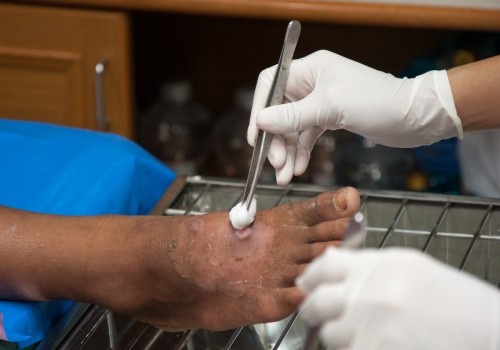
- Leg ulcers: Poor circulation can cause painful sores on the legs that are slow to heal.
Diagnosis and Screening for Sickle Cell Disease
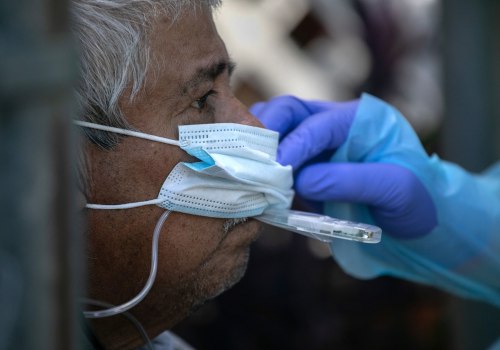
Diagnosing sickle cell disease (SCD) is a critical step in managing this inherited blood disorder, particularly within the African American community where its prevalence is notably higher. Early diagnosis not only facilitates timely treatment but also helps in preventing severe complications associated with the disease.The primary method for diagnosing sickle cell disease involves a simple blood test known as hemoglobin electrophoresis. This test separates different types of hemoglobin in the blood, allowing healthcare providers to identify the presence of abnormal hemoglobin S, which is characteristic of sickle cell anemia.In addition to hemoglobin electrophoresis, a complete blood count (CBC) may be performed to assess overall health and detect anemia.In many cases, individuals may not exhibit symptoms until later in life, making early screening essential. Newborn screening programs have been implemented across the United States to ensure that infants are tested shortly after birth. This proactive approach allows for the identification of sickle cell disease before symptoms develop, enabling parents and healthcare providers to initiate early interventions.Newborn screening typically involves a few drops of blood taken from the infant's heel, which are then analyzed for the presence of sickle cell hemoglobin. If the initial screening indicates a potential positive result, further confirmatory tests are conducted to establish a definitive diagnosis.Early detection through newborn screening can significantly improve health outcomes for affected children.
It allows for immediate education on managing the disease, including vaccination against infections that can pose serious risks to individuals with SCD. Furthermore, families can receive genetic counseling to understand the implications of sickle cell disease and make informed decisions regarding future pregnancies.In summary, timely diagnosis and screening for sickle cell disease are vital components of effective management. With advancements in testing methods and increased awareness within the African American community, there is hope for improved health outcomes and quality of life for those affected by this condition.
Treatment Options for Sickle Cell Disease
Managing sickle cell disease (SCD) requires a comprehensive approach that encompasses various treatment options tailored to the individual’s needs. The primary goal of these treatments is to alleviate symptoms, prevent complications, and improve the overall quality of life for those affected.Medications for Sickle Cell Anemia
Medications play a crucial role in the management of sickle cell anemia.Some of the most commonly prescribed include:
- Hydroxyurea: This medication is often the first line of treatment for adults with SCD. It works by increasing fetal hemoglobin levels, which can reduce the frequency of painful crises and the need for blood transfusions.
- Pain Management: Nonsteroidal anti-inflammatory drugs (NSAIDs) and opioids are frequently used to manage pain during sickle cell crises. Patients are encouraged to work closely with their healthcare providers to develop a personalized pain management plan.
- Antibiotics: To prevent infections, particularly in children, prophylactic antibiotics such as penicillin are recommended until the age of five. This is vital as individuals with SCD are more susceptible to infections due to spleen dysfunction.
- Folic Acid Supplements: These are often prescribed to help produce new red blood cells, as individuals with SCD experience increased red blood cell turnover.
Blood Transfusions
Blood transfusions are another critical component in managing sickle cell disease.They can be used to:
- Treat Severe Anemia: Regular transfusions can help maintain hemoglobin levels and reduce symptoms associated with anemia.
- Prevent Complications: Transfusions can also be used as a preventive measure against complications such as stroke, particularly in children who have experienced a prior stroke or have high risk factors.
Emerging Therapies
The landscape of treatment options for sickle cell disease is evolving rapidly, with several emerging therapies showing promise:- Gene Therapy: This innovative approach aims to correct the genetic defect responsible for sickle cell disease. Early clinical trials have shown encouraging results, potentially offering a long-term solution for patients.
- CRISPR Technology: Researchers are exploring CRISPR gene-editing technology to modify genes in patients' cells, which could lead to a functional cure for SCD.
Living with Sickle Cell Disease: Challenges and Coping Strategies
Living with sickle cell disease (SCD) presents a unique set of challenges that can significantly impact an individual's daily life. From managing chronic pain to navigating healthcare systems, those affected often find themselves in a constant battle for wellness.Understanding these challenges is crucial for fostering community support and developing effective coping strategies.One of the most prominent issues faced by individuals with SCD is the unpredictability of pain crises. These episodes can occur suddenly and may last for hours or even days, severely affecting one’s ability to perform daily activities. Pain management becomes a critical aspect of life, requiring a tailored approach that may include:
- Medication: Regular use of prescribed pain relievers, including over-the-counter options and stronger prescription medications, can help manage pain levels.
- Hydration: Staying well-hydrated is essential, as dehydration can trigger a crisis. Drinking plenty of fluids throughout the day can help maintain blood flow and reduce the risk of complications.
- Heat therapy: Applying heat to painful areas can provide relief.
Warm baths, heating pads, or warm compresses are often effective.
- Support groups: Connecting with others who understand the struggles of SCD can provide emotional support and practical advice.
- Counseling: Professional therapy can help individuals process their feelings and develop coping mechanisms for dealing with stress and anxiety.
- Meditation and mindfulness: Practices such as meditation, yoga, or deep-breathing exercises can promote relaxation and improve mental well-being.
Additionally, maintaining a healthy lifestyle through balanced nutrition and regular exercise can contribute positively to overall health.Ultimately, living with sickle cell disease requires resilience and adaptability. By implementing effective coping strategies and seeking support from both healthcare professionals and the community, individuals with SCD can improve their quality of life and navigate the complexities of their condition more effectively.
The Role of Community Support in Managing Sickle Cell Disease
Managing sickle cell disease (SCD) requires more than just medical treatment; it necessitates a robust support system that can help individuals navigate the complexities of this chronic condition. In the African American community, where SCD is most prevalent, community support plays a crucial role in enhancing wellness and improving the quality of life for those affected.Community support can take many forms, from local initiatives aimed at raising awareness to organized support groups that provide emotional and practical assistance. These resources are vital for individuals living with SCD, as they often face unique challenges that can be alleviated through shared experiences and collective knowledge.Local Initiatives and Resources
Numerous organizations across the United States focus on African American wellness initiatives specifically tailored for those with sickle cell disease.For instance, the Sickle Cell Disease Association of America (SCDAA) works tirelessly to promote education, advocacy, and research related to SCD. They offer resources such as educational materials, health fairs, and community outreach programs that aim to inform both patients and their families about managing the disease effectively.In addition to national organizations, many local health departments and community health centers provide specialized programs for individuals with SCD. These programs often include:
- Health Education Workshops: These workshops educate patients about their condition, treatment options, and self-management strategies.
- Peer Support Groups: Facilitated by healthcare professionals or trained volunteers, these groups allow individuals to share their experiences and coping strategies in a safe environment.
- Crisis Intervention Services: Some organizations offer immediate assistance during sickle cell crises, helping patients access necessary medical care quickly.
The Importance of Support Groups
Support groups are particularly beneficial for individuals with SCD as they foster a sense of belonging and understanding. Participants can connect with others who face similar challenges, which can significantly reduce feelings of isolation and anxiety.These groups often provide:
- Emotional Support: Sharing personal stories can help members process their feelings and find comfort in knowing they are not alone.
- Practical Advice: Members often exchange tips on managing pain, navigating healthcare systems, and accessing resources.
- Advocacy Opportunities: Many support groups engage in advocacy efforts to raise awareness about SCD within the broader community, pushing for better healthcare policies and funding for research.
Future Directions in Research and Treatment of Sickle Cell Disease
The landscape of research and treatment for sickle cell disease (SCD) is evolving rapidly, driven by a commitment to improve the quality of life for those affected, particularly within the African American community. As we look to the future, several promising avenues are being explored that could significantly alter the management and outcomes of this condition.Advancements in Treatment Modalities
- Gene Therapy: One of the most exciting developments in SCD treatment is gene therapy. This innovative approach aims to correct the genetic defect responsible for sickle cell anemia.
By introducing a normal copy of the hemoglobin gene into a patient's stem cells, researchers hope to enable the production of healthy red blood cells. Clinical trials are currently underway, and early results have shown encouraging outcomes, with some patients experiencing a significant reduction in symptoms.
- CRISPR Technology: The CRISPR-Cas9 gene-editing technology is also being investigated as a potential treatment for SCD. This method allows for precise modifications to DNA, which could potentially correct the mutation that causes sickle cell anemia. Ongoing studies are assessing its safety and efficacy, with initial findings suggesting it may offer a viable path toward a functional cure.
- New Pharmacological Agents: Researchers are also focusing on developing new medications that can alleviate symptoms and reduce complications associated with SCD.
For instance, drugs that promote fetal hemoglobin production have shown promise in clinical trials, as they can help prevent sickling of red blood cells.
Future Research Directions
In addition to treatment advancements, ongoing research is crucial for understanding the complexities of SCD. Areas of focus include:
- Understanding Pain Mechanisms: Chronic pain is a significant issue for many individuals with SCD. Research aimed at understanding the underlying mechanisms of pain can lead to better pain management strategies and improve overall patient care.
- Long-term Outcomes: Studies examining the long-term effects of current treatments on quality of life and health outcomes are essential. This research can inform best practices and guide future therapeutic approaches.
- Community Engagement: Encouraging participation in clinical trials is vital for advancing SCD research.
Community outreach programs that educate patients about ongoing studies can foster trust and increase enrollment, ultimately benefiting the entire community.
<strong>Conclusion</strong>: Key Takeaways on Sickle Cell Disease and African American Wellness
In conclusion, understanding sickle cell disease (SCD) and its profound impact on the African American community is crucial for fostering better health outcomes and enhancing African American wellness. Throughout this article, we have explored various facets of SCD, including its genetic basis, symptoms, complications, and the unique challenges faced by individuals within this demographic.One of the most significant takeaways is the importance of early diagnosis and intervention.Routine screening for sickle cell anemia in newborns has proven to be a vital step in managing the disease effectively. Early detection allows for timely treatment options that can significantly improve quality of life and reduce the risk of severe complications.Moreover, education plays a pivotal role in empowering individuals and families affected by SCD. By increasing awareness about the disease, its symptoms, and potential crises, we can help patients recognize when to seek medical attention. This proactive approach can mitigate the severity of sickle cell crises and enhance overall health management.Support systems are equally essential.
Community resources, including support groups and educational programs tailored for African Americans, can provide emotional support and practical advice for navigating the complexities of living with SCD. These networks foster a sense of belonging and understanding among individuals facing similar challenges.Furthermore, ongoing research is critical in advancing treatment options for sickle cell disease. Innovations such as gene therapy hold promise for potentially curing or significantly alleviating the symptoms of SCD. Continued investment in research not only enhances our understanding of the disease but also paves the way for new therapies that could transform patient care.In summary, addressing sickle cell disease within the African American community requires a multifaceted approach that includes awareness, education, support, and research.
By prioritizing these areas, we can work towards improving health outcomes and ensuring that individuals with SCD lead healthier, more fulfilling lives.