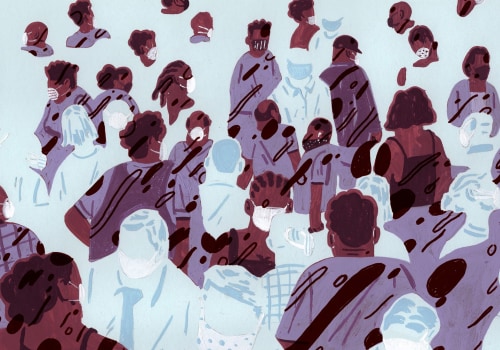
Racial and ethnic disparities in healthcare represent a significant challenge within the United States, particularly affecting the wellness of African American communities. These disparities are not merely statistical anomalies; they reflect deep-rooted systemic issues that influence access to care, quality of treatment, and health outcomes. Understanding these disparities is crucial for developing effective strategies for Improving Women s Health Care Access in order to promote health equity and improve the overall wellness of African Americans. At the heart of these disparities lies a complex interplay of factors, including socioeconomic status, geographic location, and historical injustices. African Americans often face barriers such as limited access to quality healthcare facilities, lack of health insurance, and cultural biases within the healthcare system. Racial and ethnic disparities in healthcare represent a significant challenge within the United States, particularly affecting the wellness of African American communities. These disparities are not merely statistical anomalies; they reflect deep-rooted systemic issues that influence access to care, quality of treatment, and health outcomes. Understanding these disparities is crucial for developing effective strategies for Improving Women s Health Care Access in order to promote health equity and improve the overall wellness of African Americans. At the heart of these disparities lies a complex interplay of factors, including socioeconomic status, geographic location, and historical injustices. African Americans often face barriers such as limited access to quality healthcare facilities, lack of health insurance, and cultural biases within the healthcare system.
These obstacles can lead to delayed diagnoses, inadequate treatment options, and ultimately poorer health outcomes. For instance, studies have shown that African Americans are more likely to suffer from chronic conditions like hypertension and diabetes, yet they frequently receive lower-quality care compared to their white counterparts. Moreover, the impact of social determinants of health cannot be overstated. Factors such as education level, income, and neighborhood environment play a pivotal role in shaping health behaviors and access to resources. In many cases, African American communities are situated in areas with fewer healthcare providers and limited access to preventive services.
This lack of availability can exacerbate existing health issues and contribute to a cycle of poor health that is difficult to break. As we delve deeper into the topic of racial and ethnic disparities in healthcare, it becomes evident that addressing these issues requires a multifaceted approach. By acknowledging the unique challenges faced by African Americans and implementing targeted interventions, we can work towards a more equitable healthcare system that prioritizes wellness for all individuals, regardless of their racial or ethnic background.
The Impact of Socioeconomic Factors on Healthcare Access
Access to healthcare is profoundly influenced by socioeconomic factors, particularly for African Americans, who often face significant barriers that hinder their ability to receive quality care. Understanding these barriers is essential for addressing the disparities in health outcomes within this community.Income Levels
play a crucial role in determining healthcare access. Many African American families experience lower income levels compared to their white counterparts, which can limit their ability to afford health insurance and out-of-pocket medical expenses.
According to recent studies, individuals living below the poverty line are less likely to seek preventive care and more likely to delay necessary treatments due to cost concerns. This financial strain can lead to a cycle of poor health outcomes, as untreated conditions can worsen over time.
Education
is another significant factor affecting healthcare access. Higher educational attainment is often associated with better health literacy, which empowers individuals to make informed decisions about their health. Unfortunately, African Americans are disproportionately represented in lower educational attainment categories, which can result in a lack of understanding regarding available healthcare services and how to navigate the healthcare system effectively.
This gap in education can lead to missed opportunities for preventive care and early intervention.
Employment
status also plays a vital role in healthcare access. Many African Americans work in low-wage jobs that do not offer health benefits, leaving them reliant on public assistance programs or uninsured altogether. The instability of employment can further exacerbate health issues, as individuals may prioritize immediate financial needs over long-term health considerations. Additionally, those employed in high-stress environments may experience increased health risks due to the physical and mental toll of their jobs.In summary, the interplay of income levels, education, and employment significantly impacts healthcare access for African Americans.
Addressing these socioeconomic factors is essential for reducing healthcare inequality and improving overall wellness within this community. By implementing targeted interventions that focus on enhancing economic opportunities and educational resources, we can work towards a more equitable healthcare system that serves all individuals effectively.
Chronic Diseases and Their Disproportionate Effect on African Americans
Chronic diseases significantly impact the health and wellness of African Americans, contributing to a cycle of health disparities that are deeply rooted in systemic inequities. Among the most prevalent chronic conditions affecting this community are diabetes, hypertension, and heart disease. These diseases not only affect individual health but also place a substantial burden on families and communities, exacerbating existing socioeconomic challenges.Diabetes
is a particularly concerning issue, with African Americans experiencing a higher prevalence compared to their white counterparts.
According to the Centers for Disease Control and Prevention (CDC), African Americans are nearly twice as likely to be diagnosed with diabetes. This disparity can be attributed to a combination of genetic factors, lifestyle choices, and limited access to quality healthcare. Many individuals in this demographic face barriers such as lack of insurance, inadequate health education, and limited access to healthy food options, which can lead to poor management of the disease.
Hypertension
, or high blood pressure, is another chronic condition that disproportionately affects African Americans. The American Heart Association reports that nearly 40% of African American adults have hypertension, which is significantly higher than the national average.
This condition is often exacerbated by stressors related to socioeconomic status, including financial instability and discrimination in healthcare settings. Furthermore, the lack of regular monitoring and treatment options can lead to severe complications such as stroke and heart failure.
Heart disease
remains the leading cause of death among African Americans. Factors contributing to this alarming statistic include high rates of obesity, sedentary lifestyles, and limited access to preventive care. The intersection of these risk factors creates a perfect storm for cardiovascular issues within the community.
Moreover, cultural attitudes towards health and wellness can influence how individuals perceive their risk and seek treatment.Addressing these chronic diseases requires a multifaceted approach that includes improving access to healthcare services, enhancing health education, and promoting healthier lifestyle choices within African American communities. Initiatives aimed at increasing awareness about these conditions can empower individuals to take charge of their health. Additionally, community-based programs that provide resources for nutrition and physical activity can play a crucial role in mitigating these disparities.In conclusion, the prevalence of chronic diseases among African Americans highlights the urgent need for systemic changes in healthcare delivery. By understanding the underlying factors contributing to these disparities, we can work towards creating a more equitable healthcare system that promotes African American wellness and improves health outcomes for all.
Barriers to Quality Healthcare for African Americans
Accessing quality healthcare is a fundamental right, yet many African Americans encounter significant barriers that hinder their ability to receive adequate medical attention.These barriers are multifaceted and deeply rooted in systemic issues, including racial discrimination, economic disparities, and geographic limitations.
Racial Discrimination in Healthcare
One of the most pressing issues is racial discrimination within healthcare systems. Studies have shown that African Americans often experience bias from healthcare providers, which can lead to misdiagnoses, inadequate treatment, and a general lack of trust in medical professionals. This discrimination can manifest in various ways:
- Implicit Bias: Many healthcare providers may unconsciously hold stereotypes that affect their treatment decisions.
- Communication Barriers: African American patients may feel uncomfortable discussing their health concerns due to perceived judgment or misunderstanding from providers.
- Lower Quality of Care: Research indicates that African Americans are less likely to receive certain medical procedures and interventions compared to their white counterparts.
Lack of Insurance Coverage
The absence of adequate health insurance is another significant barrier. Many African Americans are employed in low-wage jobs that do not offer health benefits, leaving them vulnerable to high medical costs.
The lack of insurance coverage can result in:
- Delayed Care: Without insurance, individuals may postpone necessary medical visits until conditions worsen.
- Increased Financial Burden: Out-of-pocket expenses for uninsured patients can lead to crippling debt or avoidance of care altogether.
Geographic Limitations
Geographic location also plays a crucial role in healthcare access. Many African Americans reside in urban areas with limited access to quality healthcare facilities. This situation is exacerbated by:
- Lack of Transportation: Public transportation options may be inadequate, making it difficult for patients to reach healthcare providers.
- Shortage of Providers: In some communities, there is a scarcity of healthcare professionals willing to serve low-income populations, leading to longer wait times and reduced availability of services.
The Role of Cultural Competence in Healthcare Delivery
Cultural competence in healthcare is a critical factor in addressing the disparities faced by African American communities.It refers to the ability of healthcare providers to understand, communicate with, and effectively interact with patients from diverse cultural backgrounds. This understanding is essential for improving healthcare delivery and outcomes for African Americans, who often experience significant barriers to accessing quality care.One of the primary benefits of cultural competence is enhanced patient-provider communication. When healthcare providers are aware of and sensitive to the cultural beliefs and practices of their patients, they can foster a more trusting relationship. This trust is vital, as many African Americans may have historical reasons for skepticism towards the healthcare system, stemming from past injustices and discrimination.
By demonstrating cultural awareness, providers can help alleviate these concerns and encourage patients to seek necessary care.Moreover, culturally competent care involves recognizing the unique health challenges that African American populations face. For instance, conditions such as hypertension, diabetes, and certain cancers disproportionately affect this demographic. Understanding these health disparities allows providers to tailor their approaches, ensuring that treatment plans are not only effective but also culturally relevant.To improve healthcare for African Americans, healthcare systems must implement training programs focused on cultural competence. These programs should educate providers about the social determinants of health that impact African American communities, such as socioeconomic status, education, and access to resources.
Additionally, training should emphasize the importance of active listening and empathy in patient interactions.Furthermore, healthcare organizations can benefit from incorporating diverse staff members who reflect the communities they serve. This diversity can enhance understanding and improve patient satisfaction. When patients see themselves represented in their healthcare providers, it can lead to increased engagement in their own health management.In conclusion, fostering cultural competence within healthcare delivery is essential for improving health outcomes among African Americans. By prioritizing effective communication and understanding cultural differences, healthcare providers can build stronger relationships with their patients, ultimately leading to better health outcomes and reduced disparities.
Community-Based Approaches to Improve African American Wellness
Community-based approaches have emerged as vital strategies for enhancing wellness among African Americans, addressing the unique challenges they face in accessing healthcare and achieving optimal health outcomes.These initiatives often focus on prevention, education, and improving access to care, fostering a sense of empowerment within communities.One successful model is the establishment of community health worker (CHW) programs. CHWs serve as liaisons between healthcare providers and the community, offering culturally relevant education and support. They help individuals navigate the healthcare system, understand their health conditions, and adhere to treatment plans. For instance, programs like the Healthy Black Families initiative in Los Angeles have demonstrated significant improvements in chronic disease management through personalized outreach and education.Another effective strategy is the implementation of wellness programs that focus on physical activity and nutrition.
Initiatives such as Fit for Life , which promotes exercise and healthy eating habits among African American families, have shown promising results. These programs often include community fitness events, cooking classes, and nutrition workshops that not only educate but also foster community engagement.Public health strategies that incorporate local resources are also crucial. For example, partnerships with local churches and community centers can facilitate health fairs that provide free screenings for hypertension, diabetes, and other chronic conditions prevalent in African American populations. These events not only offer essential services but also create a supportive environment where individuals feel comfortable discussing their health concerns.Moreover, mental health awareness campaigns tailored to African American communities are essential.
Programs that address stigma around mental health issues and provide access to counseling services can significantly improve overall wellness. Initiatives like Black Mental Health Alliance work to educate communities about mental health resources while promoting culturally competent care.In conclusion, community-based approaches that prioritize prevention, education, and access to care are instrumental in improving African American wellness. By leveraging local resources and fostering community engagement, these initiatives not only address immediate health needs but also contribute to long-term health equity.
Policy Changes Needed to Address Disparities in Healthcare Quality
To effectively address the disparities in healthcare quality faced by African Americans, a multifaceted approach to policy change is essential. These changes must be rooted in a commitment to equity and inclusivity, ensuring that all individuals have access to high-quality healthcare services.1.Expanding Access to Health Insurance
One of the most critical steps is to expand access to health insurance for African Americans, particularly those in low-income brackets.
This can be achieved through:
- Enhancing Medicaid expansion in states that have not yet adopted it, thereby providing coverage to more low-income individuals.
- Implementing subsidies for private insurance plans to make them more affordable for low-income families.
- Promoting outreach programs that educate communities about available health insurance options and enrollment processes.
2.Increasing Funding for Community Health Centers
Community health centers play a vital role in providing accessible healthcare services to underserved populations. Increased funding can help these centers:
- Expand their services to include mental health and preventive care.
- Hire culturally competent staff who understand the unique challenges faced by African American communities.
- Implement mobile health units that can reach individuals in remote or underserved areas.
3.Addressing Social Determinants of Health
Policies must also focus on the social determinants of health that disproportionately affect African Americans. This includes:
- Investing in education and job training programs that improve economic stability.
- Enhancing access to healthy food options and safe recreational spaces in urban areas.
- Implementing housing policies that reduce homelessness and improve living conditions.
4.Promoting Health Equity Initiatives
Government agencies and organizations should prioritize health equity initiatives that specifically target racial disparities. This can involve:
- Collecting and analyzing data on health outcomes by race to identify gaps and inform policy decisions.
- Establishing partnerships with community organizations to develop tailored interventions that address specific needs.
- Creating accountability measures for healthcare providers to ensure they are meeting the needs of diverse populations.
5.Enhancing Cultural Competency Training
Cultural competency training for healthcare providers is essential in reducing biases and improving patient-provider relationships.
Policies should mandate:
- Regular training sessions on cultural sensitivity and implicit bias for all healthcare staff.
- The inclusion of diverse perspectives in medical education curricula.
- Encouraging mentorship programs that connect minority students with healthcare professionals.
The Impact of COVID-19 on Racial Disparities in Healthcare
The COVID-19 pandemic has served as a stark reminder of the deep-rooted racial disparities that exist within the healthcare system, particularly affecting African American communities. As the virus spread rapidly across the United States, it became evident that certain populations were disproportionately impacted, revealing systemic inequities that had long been overlooked.Data from various health organizations indicated that African Americans faced significantly higher rates of infection, hospitalization, and mortality due to COVID-19 compared to their white counterparts. This alarming trend can be attributed to a combination of factors:- Pre-existing Health Conditions: African Americans are more likely to suffer from chronic health issues such as hypertension, diabetes, and heart disease, which increase the risk of severe complications from COVID-19.
- Access to Healthcare: Many African Americans live in areas with limited access to quality healthcare services. This lack of access can delay diagnosis and treatment, exacerbating health outcomes.
- Socioeconomic Factors: Economic disparities often lead to crowded living conditions and jobs that do not allow for remote work, increasing exposure to the virus.
- Healthcare System Distrust: Historical injustices and ongoing discrimination have fostered a deep-seated mistrust of the healthcare system among many African Americans, leading to reluctance in seeking care.
Factors such as education, income level, and neighborhood environment play a crucial role in shaping health outcomes. The crisis has prompted a reevaluation of how these determinants contribute to health disparities.As we move forward, it is essential to learn from the lessons of this pandemic. Efforts must be made to:
- Enhance Access to Care: Expanding healthcare access through community health initiatives and telehealth services can help bridge gaps in care.
- Address Systemic Inequities: Policymakers must prioritize addressing the root causes of health disparities by investing in underserved communities.
- Build Trust in Healthcare: Engaging with African American communities through culturally competent care and transparent communication can help rebuild trust.
Future Directions for Research and Action on Health Disparities
As we look to the future, it is imperative to prioritize research and action aimed at addressing health disparities, particularly those affecting African American wellness.The ongoing examination of these disparities is crucial for developing effective interventions and policies that can lead to equitable health outcomes.Future research should focus on several key areas:
- Community-Based Participatory Research (CBPR): Engaging communities in the research process ensures that studies are relevant and culturally sensitive. By involving African American communities in the design and implementation of health studies, researchers can better understand the unique challenges they face and develop tailored solutions.
- Longitudinal Studies: Conducting long-term studies can provide insights into how health disparities evolve over time. This approach allows researchers to track the effectiveness of interventions and identify persistent barriers to care.
- Social Determinants of Health: Future research must delve deeper into the social determinants that contribute to health inequities. Factors such as socioeconomic status, education, and access to healthy food play a significant role in shaping health outcomes for African Americans. Future research must delve deeper into the social determinants that contribute to health inequities. Factors such as socioeconomic status, education, and access to healthy food play a significant role in shaping health outcomes for African Americans.
- Intersectionality: Understanding how various identities—such as race, gender, and socioeconomic status—interact to affect health is essential.
Research that considers these intersections can reveal complex patterns of disadvantage that require multifaceted solutions.
- Policy Advocacy: Advocating for policies that promote health equity is vital. This includes supporting legislation that expands access to healthcare, improves funding for community health programs, and addresses systemic racism within healthcare systems.
- Education and Training: Healthcare providers must receive training on cultural competence and implicit bias. This education can help reduce disparities in treatment and improve patient-provider relationships.
- Public Awareness Campaigns: Increasing awareness about health disparities among the general public can foster community support for initiatives aimed at improving African American wellness. Campaigns should highlight the importance of preventive care and encourage individuals to seek regular check-ups.
Conclusion: A Call to Action for Equitable Healthcare Access
As we reflect on the pressing issue of racial and ethnic disparities in healthcare quality, it becomes evident that the time for action is now.The disparities faced by African American communities and other marginalized groups are not merely statistics; they represent real lives affected by systemic inequities. Throughout this article, we have explored various dimensions of these disparities, from access to care and quality of treatment to the social determinants that exacerbate health outcomes.To effectively address these challenges, a multifaceted approach is essential. This includes:
- Policy Reform: Advocating for policies that promote equitable healthcare access is crucial. This involves expanding Medicaid, ensuring comprehensive insurance coverage, and implementing regulations that hold healthcare providers accountable for delivering quality care to all patients, regardless of their racial or ethnic background.
- Community Engagement: Engaging with communities of color to understand their unique needs and barriers is vital.
Healthcare organizations must prioritize building trust and fostering relationships with these communities to create tailored solutions that address their specific health concerns.
- Education and Awareness: Increasing awareness about health disparities among healthcare professionals and the general public can lead to more informed decision-making. Training programs that focus on cultural competency can help providers better understand the challenges faced by African American patients and improve the quality of care they receive.
- Research and Data Collection: Continued research into the factors contributing to health disparities is necessary. Collecting disaggregated data on health outcomes can help identify trends and inform targeted interventions aimed at reducing inequities.
It is not enough to acknowledge these issues; we must actively pursue solutions that ensure equitable access to high-quality care for all individuals. The health of our communities depends on it.