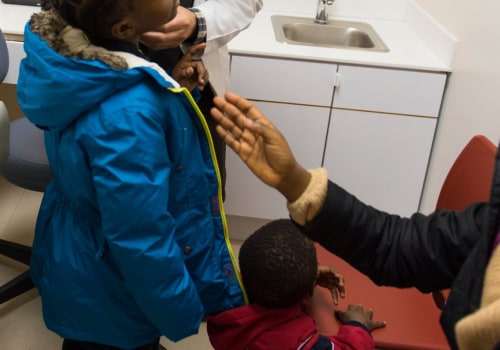
Health disparities represent a significant challenge in the quest for equitable healthcare, particularly within the African American community. These disparities are not merely statistical anomalies; they reflect deep-rooted inequalities that affect the health span and longevity of individuals. Factors such as socioeconomic status, education, access to healthcare, and systemic racism play pivotal roles in shaping health outcomes. Understanding these disparities is crucial for developing effective public health strategies aimed at improving African American wellness and addressing five female health concerns that disproportionately impact women in this community.The concept of health disparities encompasses a wide range of issues, including differences in disease prevalence, access to medical care, and overall health outcomes among various populations. Health disparities represent a significant challenge in the quest for equitable healthcare, particularly within the African American community. These disparities are not merely statistical anomalies; they reflect deep-rooted inequalities that affect the health span and longevity of individuals. Factors such as socioeconomic status, education, access to healthcare, and systemic racism play pivotal roles in shaping health outcomes. Understanding these disparities is crucial for developing effective public health strategies aimed at improving African American wellness and addressing five female health concerns that disproportionately impact women in this community.The concept of health disparities encompasses a wide range of issues, including differences in disease prevalence, access to medical care, and overall health outcomes among various populations.
For African Americans, these disparities are often exacerbated by social determinants of health—conditions in which people are born, grow, live, work, and age. These determinants include factors like income level, educational attainment, neighborhood environment, and even cultural attitudes towards health and wellness. Addressing these social determinants is essential for creating a more just healthcare system.Moreover, the historical context of healthcare in the United States reveals a legacy of discrimination and neglect that has disproportionately affected African Americans. This history has fostered mistrust in medical institutions and has led to lower rates of preventive care and higher rates of chronic diseases such as diabetes and hypertension within this community.
By acknowledging these historical injustices and their ongoing impact on health outcomes, we can begin to formulate targeted interventions that not only address immediate health needs but also work towards dismantling the systemic barriers that perpetuate these disparities.In summary, understanding health disparities is vital for anyone interested in public health, social justice, or community wellness. By focusing on the unique challenges faced by African Americans and recognizing the influence of social determinants on health outcomes, we can pave the way for more effective policies and practices that promote equity in healthcare access and quality.
Defining Health Disparities
Health disparities refer to the significant differences in health outcomes and access to healthcare services that exist among various population groups. These disparities are often influenced by a range of factors, including socioeconomic status, geographic location, race, and ethnicity. Understanding these disparities is crucial for addressing public health issues effectively and ensuring equitable healthcare for all individuals.Types of Health Disparities
- Racial and Ethnic Disparities: These disparities are evident in the differences in health outcomes among racial and ethnic groups.
For instance, African American communities often experience higher rates of chronic diseases such as diabetes, hypertension, and heart disease compared to their white counterparts.
- Socioeconomic Disparities: Individuals from lower socioeconomic backgrounds frequently face barriers to accessing quality healthcare. This can result in delayed diagnoses, inadequate treatment options, and poorer health outcomes.
- Geographic Disparities: Access to healthcare can vary significantly based on geographic location. Rural areas may have fewer healthcare facilities and providers, leading to limited access for residents.
- Gender Disparities: Health outcomes can also differ based on gender. For example, women may face unique health challenges related to reproductive health that are not adequately addressed in some healthcare systems.
Examples of Health Disparities
Several examples illustrate the impact of health disparities:
- Infant Mortality Rates: African American infants are more than twice as likely to die before their first birthday compared to white infants, highlighting significant disparities in maternal and infant health.
- Access to Preventive Care: Many minority populations have lower rates of preventive care services such as vaccinations and screenings, which can lead to late-stage diagnoses of diseases like cancer.
- Mental Health Services: Access to mental health services is often limited for African American communities due to stigma, lack of providers, and cultural barriers, resulting in untreated mental health conditions.
By understanding the root causes of health disparities, public health officials and healthcare providers can work towards creating a more equitable healthcare system that promotes wellness for all individuals.
Historical Context of Health Disparities in African Americans
To fully grasp the current health disparities faced by African Americans, it is essential to delve into the historical context that has shaped these inequities. The roots of health disparities in this community can be traced back to systemic racism, socio-economic factors, and a long history of discrimination that has permeated various aspects of life.Historically, African Americans have been subjected to a myriad of injustices that have adversely affected their health outcomes. From the era of slavery, where individuals were denied basic human rights and subjected to inhumane conditions, to the Jim Crow laws that enforced racial segregation, the impact of these policies has been profound. These historical injustices have created a legacy of mistrust towards healthcare systems among African Americans, which continues to influence their health-seeking behaviors today.Moreover, socio-economic factors play a critical role in shaping health outcomes.Many African Americans have historically been marginalized economically, leading to limited access to quality education and employment opportunities. This economic disadvantage often translates into inadequate access to healthcare services, nutritious food, and safe living environments. For instance, neighborhoods predominantly inhabited by African Americans frequently lack essential health resources such as clinics and hospitals, further exacerbating health disparities.The impact of racism on health cannot be overstated. Research has shown that experiences of discrimination can lead to chronic stress, which is linked to various health issues such as hypertension and heart disease.
Additionally, the stigma associated with being part of a marginalized group can deter individuals from seeking necessary medical care or participating in preventive health measures.In summary, understanding the historical context of health disparities affecting African Americans is crucial for addressing current challenges. By acknowledging the systemic barriers and socio-economic factors that have contributed to these disparities, healthcare professionals and policymakers can work towards creating equitable solutions that promote wellness within this community.
Social Determinants of Health
Understanding the social determinants of health is crucial for addressing the health disparities faced by African Americans. These determinants encompass a range of factors that influence health outcomes, including economic status, education, access to healthcare, and environmental conditions.Economic Factors Affecting Health
- Income Inequality: Economic stability is a significant determinant of health. African Americans often experience higher rates of poverty compared to their white counterparts, which can limit access to nutritious food, safe housing, and quality healthcare.
- Employment Opportunities: Job availability and quality also play a critical role.
Many African Americans work in low-wage jobs that do not provide health benefits, making it difficult to afford necessary medical care.
- Wealth Disparities: The racial wealth gap further exacerbates health issues. With less accumulated wealth, African American families may struggle to invest in preventive care or healthy lifestyle choices.
Education and Health Outcomes
- Access to Quality Education: Education is closely linked to health outcomes. African Americans often attend underfunded schools with fewer resources, which can affect their long-term health literacy and employment prospects.
- Health Literacy: A lack of education can lead to lower health literacy, making it challenging for individuals to navigate the healthcare system or understand medical information.
- Impact on Health Behaviors: Educational attainment influences lifestyle choices. Those with higher education levels are more likely to engage in healthy behaviors such as regular exercise and preventive care.
Access to Healthcare
- Insurance Coverage: Many African Americans face barriers to obtaining health insurance, which limits their access to necessary medical services.
- Healthcare Facilities: Geographic location can also impact access.
Communities with a high concentration of African Americans may have fewer healthcare facilities or providers, leading to delays in receiving care.
Environmental Factors
- Living Conditions: Environmental factors such as housing quality and neighborhood safety significantly affect health. Many African American communities are located in areas with higher pollution levels and fewer recreational spaces.
- Food Deserts: Access to healthy food options is often limited in predominantly African American neighborhoods, contributing to higher rates of obesity and related diseases.
Impact of Socioeconomic Status on African American Wellness
The relationship between socioeconomic status and health outcomes is particularly pronounced within the African American community. Numerous studies have shown that individuals from lower socioeconomic backgrounds often experience poorer health outcomes compared to their more affluent counterparts. This disparity is largely attributed to a combination of factors, including income inequality , limited access to quality healthcare, and environmental conditions that adversely affect health.One of the most significant challenges faced by African Americans is the persistent issue of income inequality.According to the U. S. Census Bureau, African American households earn significantly less than white households, which can limit their ability to afford essential health services. This economic gap not only affects immediate access to healthcare but also has long-term implications for overall wellness.
For instance, lower income levels are often associated with higher rates of chronic diseases such as diabetes and hypertension, which are prevalent in the African American population.Employment opportunities also play a crucial role in determining health outcomes. Many African Americans work in low-wage jobs that do not provide adequate health benefits or job security. This lack of stable employment can lead to increased stress and anxiety, further exacerbating health issues. Moreover, jobs that require physical labor may expose workers to hazardous conditions without proper safety measures, increasing the risk of injury and illness.Access to resources such as nutritious food, safe housing, and quality education is another critical factor influencing wellness among African Americans.
Food deserts—areas with limited access to affordable and nutritious food—are prevalent in many African American neighborhoods. This lack of access can lead to poor dietary choices and contribute to obesity and related health problems.Furthermore, the environment in which individuals live significantly impacts their health. Communities with high levels of pollution or inadequate infrastructure can lead to respiratory issues and other health complications. The cumulative effect of these socioeconomic challenges creates a cycle of disadvantage that is difficult to break.In conclusion, addressing the impact of socioeconomic status on African American wellness requires a multifaceted approach that includes improving economic opportunities, enhancing access to healthcare, and ensuring equitable distribution of resources.
By tackling these systemic issues, we can work towards reducing health disparities and promoting better health outcomes for African Americans.
Access to Healthcare Services
Access to healthcare services is a critical issue for many African Americans, who often face significant barriers that hinder their ability to receive timely and effective medical care. These barriers can be categorized into several key areas, including insurance coverage disparities , availability of healthcare providers, and the cultural competence of healthcare delivery.Insurance Coverage Disparities
One of the most pressing challenges is the disparity in health insurance coverage among African Americans. According to recent studies, African Americans are more likely to be uninsured compared to their white counterparts. This lack of insurance not only limits access to necessary medical services but also increases the financial burden associated with healthcare costs.
For instance, without insurance, individuals may delay seeking care until conditions worsen, leading to more severe health issues and higher treatment costs.
Availability of Healthcare Providers
In addition to insurance issues, the availability of healthcare providers in predominantly African American communities is often inadequate. Many urban and rural areas with high African American populations lack sufficient healthcare facilities and specialists. This shortage can result in long wait times for appointments and limited options for care, which can discourage individuals from seeking help altogether. Furthermore, when healthcare providers are scarce, the quality of care may suffer due to overburdened staff and resources.
Cultural Competence in Healthcare Delivery
Cultural competence is another crucial factor affecting healthcare access for African Americans.
Many individuals from this demographic may experience discomfort or distrust when interacting with healthcare providers who do not understand their cultural backgrounds or specific health concerns. This disconnect can lead to miscommunication, inadequate treatment plans, and ultimately poorer health outcomes. It is essential for healthcare systems to prioritize training for providers on cultural sensitivity and awareness to foster a more inclusive environment.Addressing these barriers requires a multifaceted approach that includes policy changes aimed at expanding insurance coverage, increasing the number of healthcare providers in underserved areas, and enhancing cultural competence training within medical education. By tackling these issues head-on, we can work towards a more equitable healthcare system that ensures all individuals, regardless of race or socioeconomic status, have access to the care they need.
Mental Health Disparities in the African American Community
Mental health disparities within the African American community are a pressing issue that requires urgent attention.Despite the growing awareness of mental health's importance, many African Americans face significant barriers to accessing mental health services. These barriers are often compounded by socio-economic factors, cultural stigma, and systemic inequalities.
Access to Mental Health Services
Access to mental health care is a critical concern for African Americans. Studies indicate that African Americans are less likely to seek mental health treatment compared to their white counterparts. This disparity can be attributed to several factors:
- Economic Barriers: Many African Americans live in low-income neighborhoods where mental health resources are scarce.
The cost of therapy and medication can be prohibitive, leading to untreated mental health issues.
- Lack of Insurance: A significant portion of the African American population is uninsured or underinsured, which limits their ability to access necessary mental health services.
- Provider Shortages: There is a shortage of mental health professionals who are culturally competent and can effectively address the unique needs of African American clients.
The Impact of Stigma
Stigma surrounding mental health is another major barrier that affects the African American community. Many individuals may feel ashamed or embarrassed to seek help due to cultural beliefs that equate mental illness with weakness. This stigma can lead to:
- Avoidance of Treatment: Fear of judgment may prevent individuals from pursuing therapy or counseling, exacerbating their mental health conditions.
- Misunderstanding Mental Health Issues: Cultural misconceptions about mental illness can lead to a lack of understanding and support from family and friends, further isolating those in need.
Socio-Economic Factors
The socio-economic status of many African Americans plays a significant role in their mental wellness. Factors such as poverty, unemployment, and educational disparities contribute to increased stress and anxiety levels.
Additionally, experiences of racism and discrimination can have profound psychological effects, leading to higher rates of depression and anxiety disorders within this community.Addressing these disparities requires a multifaceted approach that includes increasing access to affordable mental health care, promoting cultural competence among providers, and actively working to reduce stigma associated with seeking help. By fostering an environment where mental wellness is prioritized and accessible, we can begin to bridge the gap in mental health disparities faced by African Americans.
The Role of Public Policy in Addressing Health Disparities
Public policy plays a crucial role in shaping health outcomes and addressing the persistent health disparities that affect marginalized communities, including African Americans. By implementing targeted legislation, governments can create frameworks that promote health equity and ensure that all individuals have access to necessary healthcare services.One of the most significant legislative efforts aimed at reducing health disparities is the Affordable Care Act (ACA). Enacted in 2010, the ACA expanded healthcare coverage to millions of uninsured Americans, particularly benefiting low-income and minority populations.This legislation not only increased access to health insurance but also mandated that insurers cover essential health benefits, which include preventive services critical for early detection and management of chronic diseases.In addition to the ACA, various state-level initiatives have emerged to address specific health needs within African American communities. For instance, some states have implemented programs focused on maternal and child health, recognizing that African American women face higher rates of maternal mortality. These programs often include enhanced prenatal care services, education on healthy pregnancy practices, and support for new mothers.Moreover, public policy can influence health equity through funding for community health centers (CHCs). CHCs serve as vital access points for healthcare in underserved areas, providing comprehensive services regardless of a patient’s ability to pay.
By increasing funding for these centers, policymakers can help bridge the gap in healthcare access for African Americans and other marginalized groups.Furthermore, addressing social determinants of health—such as housing stability, education, and employment opportunities—is essential for creating lasting change. Policies that promote affordable housing and equitable education can significantly impact overall health outcomes. For example, initiatives aimed at improving neighborhood conditions can lead to better mental and physical health by reducing stressors associated with poverty.In conclusion, effective public policy is vital in combating health disparities faced by African Americans. By enacting legislation that expands healthcare access and addresses social determinants of health, governments can foster an environment where all individuals have the opportunity to achieve optimal wellness.
Community Initiatives and Programs Promoting Wellness
In recent years, numerous community initiatives have emerged, specifically targeting the wellness of African Americans.These programs are often rooted in grassroots movements that aim to address the unique health challenges faced by this community. By focusing on culturally relevant strategies and fostering local engagement, these initiatives have made significant strides in promoting health equity.One notable example is the Black Women's Health Imperative , which focuses on improving the health and wellness of Black women through education, advocacy, and community engagement. This organization has developed various programs that address issues such as reproductive health, chronic disease prevention, and mental health support. By empowering women with knowledge and resources, they are fostering a healthier future for families and communities.Another impactful initiative is the Community Health Worker (CHW) model, which has been successfully implemented in several urban areas.
CHWs are trusted members of the community who provide education, support, and resources to individuals navigating the healthcare system. They play a crucial role in bridging gaps between healthcare providers and African American communities, ensuring that individuals receive the care they need.Additionally, grassroots movements like Black Lives Matter have expanded their focus to include health equity as a critical component of their advocacy. By highlighting the disparities in healthcare access and outcomes, these movements have galvanized community members to demand systemic changes that promote wellness for all.Local initiatives such as farmers' markets in underserved neighborhoods also contribute to improving African American wellness. These markets not only provide access to fresh produce but also serve as community gathering spaces where residents can learn about nutrition and healthy cooking practices.Furthermore, programs like Fit for Life , which encourage physical activity through community-based fitness classes and events, have proven effective in combating obesity and related chronic diseases within African American populations.
By creating inclusive environments that promote physical activity, these initiatives help foster a culture of wellness.In conclusion, community-driven initiatives play a vital role in addressing health disparities among African Americans. By focusing on culturally relevant approaches and empowering local leaders, these programs not only improve individual health outcomes but also strengthen community ties and promote overall wellness.
<strong>Conclusion</strong>
In summary, the issue of health disparities, particularly concerning African American wellness, is a multifaceted challenge that requires a comprehensive approach. The persistent gaps in health outcomes among different racial and ethnic groups highlight the urgent need for targeted interventions and policy changes. As we have seen, factors such as socioeconomic status, access to healthcare, and systemic racism play significant roles in shaping health outcomes.To effectively address these disparities, it is essential to:- Enhance Access to Healthcare: Expanding healthcare coverage and ensuring that services are accessible to underserved communities is crucial.
This includes increasing the number of healthcare providers in areas with high populations of African Americans and improving transportation options for those who need to travel for care.
- Promote Health Education: Increasing awareness about health issues prevalent in African American communities can empower individuals to make informed decisions about their health. Educational programs should focus on preventive care, nutrition, and mental health resources.
- Address Social Determinants of Health: Tackling the root causes of health disparities involves addressing broader social determinants such as housing, education, and employment opportunities. Policies aimed at reducing poverty and improving living conditions can have a profound impact on community health.
- Foster Community Engagement: Engaging local communities in the development and implementation of health programs ensures that initiatives are culturally relevant and effectively meet the needs of the population. Community leaders can play a pivotal role in advocating for resources and support.
By collecting data on health outcomes and behaviors specific to African Americans, we can better tailor interventions that address their unique challenges.Ultimately, achieving health equity is not just a moral imperative but also a public health necessity. As we move forward, it is essential for healthcare professionals, policymakers, and community advocates to collaborate in creating a more equitable healthcare system that prioritizes the wellness of all individuals, particularly those from marginalized backgrounds.